Stop Motion Blur Chaos With the Shutter Speed That Freezes Anything Faster Than a Caffeinated Cat
Freeze fast-moving subjects with the perfect shutter speed—no more blurry chaos. Our guide makes sharp, crisp shots easier than catching a caffeinated cat.
If you’ve ever chased a sprinting dog, a bird mid-flight, or a toddler who just discovered juice, you know the pain: motion blur that turns your photos into abstract art—painted by a blender on a sugar rush. There’s no magic number for freezing fast action, but there is a clever formula that transforms caffeinated chaos into crisp, jaw-dropping clarity. Think of shutter speed as the bouncer at your camera’s club. Too slow? Everyone’s a smeary ghost. Too fast? You’re freezing air molecules, which is great if you’re into invisible particles. This guide hands you the exact settings, plus a few cheeky tricks, to stop a hummingbird mid-flap or a race car in its tracks—no ninja reflexes required. By the end, you’ll own photos so sharp they could slice bread, and your only dilemma will be which masterpiece to frame first.
What Is the Best Shutter Speed to Freeze Fast Moving Subjects
Ever snapped a photo of a dog mid-sprint, only to get a blurry noodle of fur and joy? We’ve all been there. Here’s the honest truth: no single magic number works for every situation. But there is a trusty starting point that’ll save you from most motion chaos. Think of shutter speed as your camera’s bouncer. Too slow, and everyone’s a smeared mess. Just right, and even a caffeinated squirrel looks like a statue.
The Magic Number That Stops a Sprinting Dog Mid-Leap
For everyday action—dogs fetching, kids playing tag, cyclists cruising by—1/500 second is your golden ticket. It freezes a galloping Labrador’s paws or a soccer player’s kick without turning the background into a frozen wasteland. Why 1/500? Simple: it’s fast enough to capture sharp edges on moving limbs, yet not so fast that you need stadium lighting for a decent exposure. In bright daylight, it shines. In shade, you just nudge your ISO up a bit. Here’s a quick cheat sheet for common subjects:
- Walking human: 1/250 sec
- Running dog or child: 1/500 sec
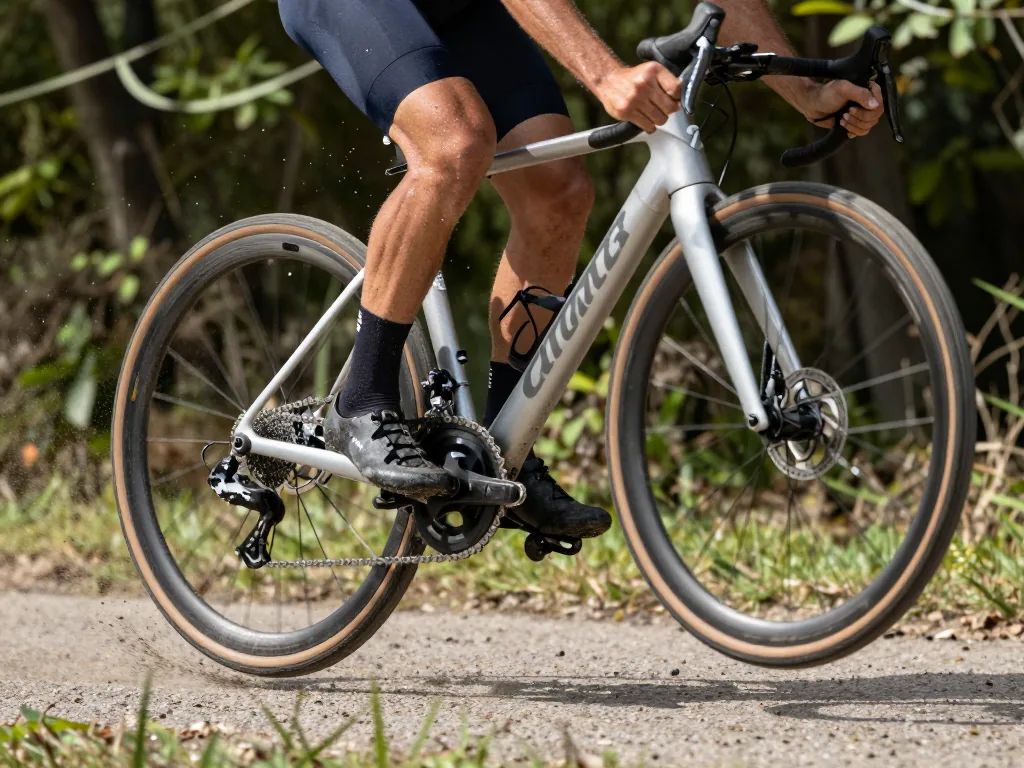
- Cyclist at moderate speed: 1/500–1/1000 sec
- Bird in flight: 1/1000 sec or faster
The real trick? Think about speed of movement across the frame, not just how fast the subject is going. A dog running straight at you needs less speed than one zooming sideways. So start at 1/500, check your shot, and adjust. Your camera’s histogram will thank you.
Why 1/500 Second Is Your New Best Friend for Human Action
People are wonderfully unpredictable—which makes them both a joy and a headache to shoot. For a basketball jump shot, a dance move, or a friend sprinting for the bus, 1/500 second catches the peak of the action with crisp detail. It’s fast enough to freeze a swinging arm or a flying ponytail, yet forgiving enough that you won’t wrestle with high ISO noise in average daylight. Shooting indoors under poor light? You might drop to 1/320 and accept a tiny bit of blur on the fastest movements. But for outdoor sports, concerts, or street photography, 1/500 is the sweet spot. One tip: use burst mode. At 1/500, you can fire off a rapid series and pick the frame where your subject’s expression isn’t a hilarious grimace. And don’t be shy about panning slightly with your subject—it keeps the background soft while your hero stays tack-sharp. Best part? 1/500 works on almost any camera, from a phone in pro mode to a mirrorless beast. Fancy gear? Not required to stop a friend’s victory dance.
When 1/1000 Second or Faster Becomes Non-Negotiable
Some moments simply refuse to be tamed by 1/500. Think hummingbirds, race cars, a tennis serve, or water splashing from a kicked puddle—these demand 1/1000 second or faster. At these speeds, you’re not just freezing motion; you’re stopping time itself. A Formula 1 car blasting past needs 1/2000 to avoid motion blur on the tires, while a hummingbird’s wings (which beat up to 80 times per second) require 1/4000 to show any detail. The trade-off? You’ll need plenty of light or a high ISO, and your depth of field will shrink—so focus carefully. For wildlife, this is where fast lenses earn their keep. Shooting a bird taking off? Start at 1/1000 and bump up if you see wing blur. For sports like baseball or hockey, 1/1000 gives you that crisp “frozen in mid-air” look that makes viewers ask, “How did you do that?” Just remember: faster speeds also freeze unwanted camera shake, so keep your elbows tucked and use a stabilizing mode if you have one. When in doubt, err on the side of too fast—you can always add motion blur in post, but you can’t un-blur a miss.
How Does Subject Speed and Direction Change Your Shutter Speed
Before you start cranking that dial like it owes you money, understand this: freezing motion isn’t just about how fast something moves—it’s about how fast it moves across your sensor. A jogger heading straight at you is a lazy afternoon breeze compared to the same jogger sprinting parallel to your lens. The best shutter speed to freeze fast moving subjects changes with geometry, so let’s break down the physics without putting you to sleep.
Across the Frame Versus Head-On: The Sneaky Geometry of Motion Blur
Here’s the trick your camera never tells you: motion blur is caused by angular speed, not ground speed. A race car doing 300 km/h directly toward you barely shifts across the frame—it just grows bigger, which is slow. The same car whipping past sideways covers the entire sensor in a blink, turning your shot into abstract art. That’s why a bird flying perpendicular needs a shutter speed roughly four times faster than one flying straight at you. For head-on subjects, 1/500 often works; for across-the-frame, you’re begging for 1/2000 or faster. Think of it like trying to read a license plate on a car that’s passing you versus one that’s parked—same speed, totally different challenge. The sneaky part? Your lens’s focal length multiplies the effect. A telephoto shot of a cyclist crossing your view at 50mm looks tame, but zoom to 400mm and that same cyclist zips across the frame like a startled squirrel on espresso. So when someone asks, “What’s the best shutter speed to freeze fast moving subjects?” your honest answer is: “Depends on whether they’re coming or going.”
| Subject Direction | Example Speed | Starting Shutter Speed | What to Watch For |
|---|---|---|---|
| Head-on | Runner at 6 min/km | 1/250 to 1/500 | Face sharp, background can blur |
| Diagonal | Dog fetching a ball | 1/1000 | Ears and tail still risky |
| Across frame | Cyclist at 30 km/h | 1/2000 | Wheels may look frozen, not spinning |
| Extreme across | Race car at 200 km/h | 1/4000+ | Panning not required, but helpful |
| Erratic | Child with a sugar rush | 1/1000 to 1/2000 | Burst mode is your best friend |
Birds in Flight, Race Cars, and Other Speed Demons That Demand 1/2000
Some subjects simply don’t care about your feelings. A hummingbird’s wings beat up to 80 times per second, and a Formula car at full tilt can cross your viewfinder in under a tenth of a second. For these, 1/2000 is your minimum, and 1/4000 is often the sweet spot. Why so fast? Because at 1/2000, you’re capturing a slice of time so tiny that even a cheetah’s paw mid-stride looks like a statue. For birds in flight, the challenge isn’t just wing speed—it’s that they bob and weave unpredictably, so you also need continuous autofocus and a steady hand (or a monopod, unless you enjoy collecting blurry memories). Race cars add another layer: panning at 1/2000 freezes the car but leaves the wheels looking like they’ve stopped, which can feel unnatural. If you want that sense of speed, drop to 1/1000 and pan smoothly—but that’s a different technique. For pure freeze, err on the side of overkill. A sharp shot with a slightly dark background beats a blurred masterpiece you can’t even identify. And yes, this is where the best shutter speed to freeze fast moving subjects becomes less of a question and more of a reflex: if it’s fast, go faster.
The Unpredictable Subject Problem: Why Burst Mode Saves Your Sanity
Even with the perfect shutter speed, life throws curveballs—a dog that suddenly darts left, a basketball player who jumps right when you expected left, a toddler who treats your camera like a moving target. This is where burst mode (continuous shooting) becomes your safety net. At 10 to 20 frames per second, you’re not relying on one lucky click; you’re creating a lottery ticket where at least one frame will catch the decisive moment. Combine that with a shutter speed of 1/1000 or faster, and you’ll have a sequence of sharp images to choose from. The catch? Burst mode eats memory cards faster than a seagull at a beach picnic, so bring spares and expect to delete 90% of your shots. Also, autofocus tracking needs to keep up—use a single-point or zone mode and keep that point glued to your subject’s eye or the most important moving part. For unpredictable subjects, start at 1/2000 and drop only if you’re getting too dark a frame. Remember, you can always add a touch of noise in post, but you can’t invent detail that was never captured. So set your camera to burst, hold the button, and let physics do the heavy lifting—your thumb will thank you later.
Why Fast Shutter Speeds Starve Your Sensor of Light and What to Do About It
You’ve dialed in 1/4000th of a second, convinced you’ve just purchased a time machine for your lens, only to discover your photos look like they were shot in a coal mine at midnight. That’s the eternal trade-off: the faster the shutter, the less light gets in—like trying to fill a swimming pool with a drinking straw during a hurricane. But freezing a sprinting dog, a flying bird, or a toddler on a sugar rush doesn’t require sacrificing every photon. It requires knowing exactly where to set that dial so you stop motion without stopping your heart.
The Exposure Triangle Tango: Shutter, Aperture, and ISO in a Threesome
Think of exposure as a three-way dance where nobody wants to lead but everybody has to move. Shutter speed controls how long the sensor sees the world; aperture controls how wide the door is; ISO controls how sensitive the sensor is to what slips through. If you shorten the shutter to freeze action, you’re slamming the door shut—so you must either widen the aperture (f/2.8 instead of f/8) or boost the ISO to compensate. The trick is that these three are not independent; they’re a grumpy couple with a third wheel who keeps changing the thermostat.
For fast-moving subjects, your shutter speed should sit between 1/1000th and 1/4000th of a second, depending on how fast and how close the subject is. A flying hummingbird needs the high end; a jogging neighbor needs the low end. But here’s the practical part: if you’re shooting in daylight, f/2.8 and ISO 400 will easily handle 1/2000th. In shade or overcast skies, you’ll need to nudge ISO upward or accept a slightly smaller aperture. The goal isn’t perfection—it’s stopping the blur before it starts. A good rule: if you can’t get 1/1000th without underexposing, widen the aperture first, then raise ISO, and only then consider dropping the shutter speed.
Crank the ISO Without Crying: Practical Noise Management for Action Shots
Raise your hand if you’ve ever avoided ISO 3200 because you once saw a grainy photo from a 2007 point-and-shoot and it scarred you for life. Modern sensors laugh at ISO 3200; they giggle at 6400. The noise you fear is mostly a thing of the past, and a little grain is far less offensive than a blurry mess that looks like a ghost ran through your frame. The real enemy is underexposure, which amplifies noise more than any ISO setting ever could.
Here’s your battle plan:
- Start with your base ISO (usually 100 or 200) and your widest reasonable aperture.
- Set shutter speed to 1/1000th or faster; if the exposure meter screams, raise ISO in stops (200 → 400 → 800) until the meter sits at zero.
- If you hit ISO 6400 and still need more light, you’re in a dark venue—accept some noise or lower your shutter to 1/500th if the subject is moving predictably.
- Shoot RAW if you can; it gives you more room to recover highlights and tame noise in post without turning skin into plastic.
The point is simple: noise is a cosmetic flaw, blur is a fatal one. A slightly crunchy eagle photo is still an eagle photo; a smeared one is just a feathery pancake. So crank that ISO like it owes you money, and don’t apologize.
Image Stabilization Is a Liar for Moving Subjects: Here Is the Truth
Image stabilization (IS) is fantastic at one thing: compensating for your shaky hands. It’s a champion at keeping a static cathedral sharp while you sip coffee and hold the camera with one hand. But ask it to freeze a moving subject, and it will shrug at you like a cat that just knocked over your mug. IS does nothing—absolutely nothing—to stop subject motion. It only steadies the camera, not the world. If your subject is running sideways at 20 miles per hour, your lens’s fancy gyroscopes might as well be decorative stickers.
This misunderstanding leads to a classic mistake: people shoot at 1/250th with IS on, thinking they’re safe, and then wonder why the dog’s nose is crisp but its tail is a blurry windmill. The truth is that IS buys you time for static scenes, but for action, it’s a placebo. The only real fix is a fast shutter speed, period. You can leave IS on for the slight benefit of keeping your framing steady, but never use it as an excuse to drop below 1/1000th on a moving target. Turn off IS when you’re panning with a subject—it can actually fight your deliberate movement and introduce weird micro-jitters.
The best shutter speed to freeze fast moving subjects is the fastest one that still gives you a correct exposure—usually 1/1000th to 1/4000th, but never lower than 1/500th if you want a sharp result.
So stop blaming your lens for blur, stop whispering sweet nothings to your stabilizer, and start respecting the shutter. Set it fast, feed it light, and you’ll freeze chaos like it’s posing for a school portrait.
How to Set the Perfect Shutter Speed Without Relying on Auto Mode
Auto mode is like asking an overeager golden retriever to fetch a specific book—it’ll return with something, but it’s rarely the right one. When your subject is a sprinting dog, a diving bird, or a toddler who just spotted a puddle, the camera’s guesswork often produces a blurry mess that resembles a watercolor painting of a panic attack. The good news? You don’t need a physics degree or a secret handshake with your camera manual. Just grab control of one dial and let the magic unfold.
Shutter Priority Mode: Your Shortcut to Blur-Free Glory
Check your mode dial for the “Tv” or “S” setting—that’s Shutter Priority, and it’s your best ally for freezing motion. In this mode, you choose the shutter speed, and the camera handles aperture and ISO like a helpful assistant who actually does their job. For fast-moving subjects, the sweet spot typically starts at 1/1000th of a second. That’s quick enough to stop a sprinting cheetah (if one happens to roam your backyard) or a child mid-jump over a sprinkler. For extreme action—hummingbird wings, race cars, or a cat launching off a couch because it spotted its own tail—bump it to 1/2000th or 1/4000th.
Here’s the trick: go faster than you think you need. Many folks set 1/500th and hope for the best, which handles a slow jog but turns a frisbee catch into an impressionist blur. Start at 1/1000th and increase if you notice soft edges. Remember, you can always slow down later for artistic motion blur, but you can’t un-blur a shot that’s already mush. So err on the side of speed—your future self, admiring a tack-sharp photo of a squirrel mid-air, will thank you.
The Reciprocal Focal Length Rule: A Handy Trick That Does Not Save You
Now, let’s discuss a rule that sounds like it should rescue you but mostly just inflates your confidence. The reciprocal rule states your shutter speed should be at least 1 over your focal length to prevent camera shake. Shooting at 200mm? Use 1/200th. That works fine for a static landscape, but here’s the catch: this rule stops your hands from shaking, not your subject from moving. A bird flying at 30 mph doesn’t care about your lens length—it’ll be a blur at 1/200th, period.
So treat the reciprocal rule as the bare minimum, not the target. For a fast subject, multiply that number by four or even eight. At 200mm, you’re not aiming for 1/200th; you’re looking at 1/800th or faster. The rule is a decent warm-up stretch, but it’s not the race. Think of it like using a map to find a restaurant, then realizing the restaurant is on a moving train—you still need to sprint. When in doubt, check your shot’s sharpness on the LCD screen and zoom in. Spot motion blur? The answer is clear: crank that shutter speed higher.
Field Testing Your Settings: A Playful Guide to Trial, Error, and Triumph
Theory is lovely, but the real test happens outdoors with a moving target. Start with a simple exercise: grab a friend, a pet, or a very cooperative pigeon, and have them run or fly across your frame. Set your camera to Shutter Priority and try a few speeds in sequence. Here’s a quick checklist to keep you honest:
- 1/500th – Good for walking people or slow bikes. Expect some blur on fast limbs.
- 1/1000th – The workhorse for most sports, running dogs, and kids playing.
- 1/2000th – For birds in flight, cars on a highway, or anything with a propeller.
- 1/4000th – Overkill for most, but perfect for water splashes or a bullet (if you’re that kind of photographer).
Don’t hesitate to snap twenty shots of the same action and delete nineteen. That’s not failure; it’s research. Pay attention to the light—faster shutter speeds demand more light, so if your shots come out dark, raise your ISO or open your aperture. After a few rounds, you’ll develop a gut instinct for which speed matches which chaos. The joy of a frozen moment—a dog’s ear flapping mid-run, a splash frozen like glass—makes the trial and error entirely worth it.
The best shutter speed for fast subjects is the fastest one that still gives you a properly exposed, sharp image—so start high, check your results, and adjust from there.
The Takeaway: Freeze the Chaos, Keep the Sanity
When the universe lobs a blurry mess your way—a hummingbird on espresso, a dog mid-sneeze, or a toddler sprinting toward a mud puddle—there’s no magic number for the “best shutter speed to freeze fast moving subjects.” Instead, think of 1/1000th of a second as your fearless starting point. Crank it up if the action still resembles a watercolor painting. You’re not chasing perfection here; you’re just outrunning the blur, like a photographer with a stopwatch and a personal grudge against smudges. Once you lock in that speed, don’t forget to invite enough light to the party—or raise your ISO like a polite request—or you’ll trade motion blur for a dark, grainy mystery. That’s only fun if you’re shooting a cave. So go ahead: point at the chaos, press the shutter, and grin when the cat’s whiskers are crisp enough to count. Your next move? Grab your camera, find something absurdly fast, and prove to yourself that frozen motion is just a fraction of a second away.